
From Farms to Global Markets - The Avocado Journey in ONE's Controlled Atmosphere (CA) Containers
November 11, 2026
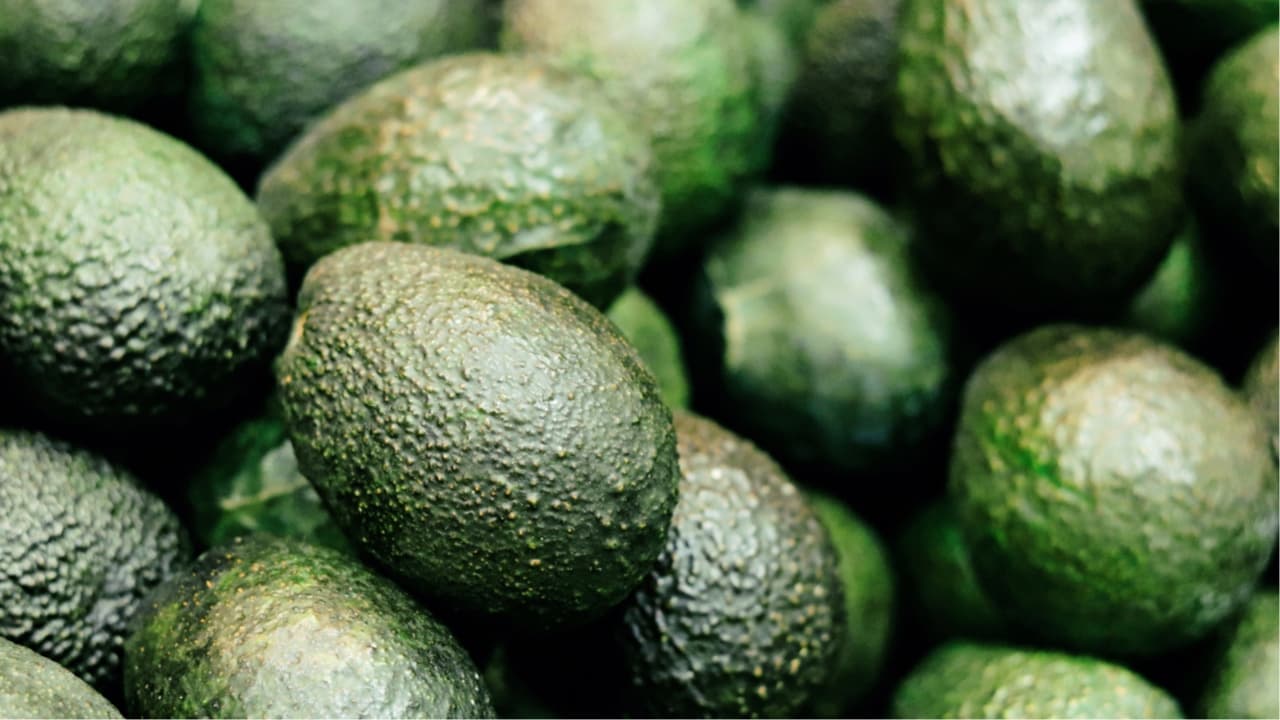
The global fruit trade continues to evolve, with avocados becoming an increasingly important segment of international produce trade. While the wider fresh fruit sector grew at a modest 2.2% compound annual growth rate (CAGR) between 2017 and 2025, avocado exports jumped 7.8% to reach roughly 3.8 million tons. This growth reflects consumer interest in healthier diets. Avocados are a source of unsaturated fats, which the World Health Organization (WHO) recommends in its healthy diet guidance in preference to saturated fats. However, transporting fresh avocados over long ocean voyages presents several shipping challenges that go beyond temperature control. Maintaining precise control of temperature and atmospheric conditions throughout the journey is essential to prevent premature ripening of the avocados, minimizing costly spoilage and protecting profit margins across an increasingly complex international supply chain.
Cargo Volume Trends and CAGR of Major Fresh Fruits (2017-2025)

Insight 1:
Why Is Europe Becoming the Strategic Growth Frontier for Avocado Importers?
While established markets provide steady sales, changing regional demand is creating shipping bottlenecks that call for dependable cold chain management. In the United States, avocados have become a daily staple, with 2025 import volumes projected to top 1.36 million tons—a 4% rise year-on-year. In contrast, Europe offers further growth potential. European imports grew at a 7.8% CAGR between 2021 and 2025, yet people in Europe eat only about 1.7 kg of avocados per year—less than half of the 4 kg consumed per person in the U.S.
Tapping into this European demand requires navigating a specialized distribution network. Most European shipments arrive at hub ports like Rotterdam, where fruit is quickly moved to ripening rooms and repacking facilities before being sent to markets like Germany. Delays or broken cold chains could lead to uneven shelf life, rejected loads, and lost retail revenue.
Avocado Consumption Trends and Import Trade Profiles for the United States and the European Countries (2025)

Insight 2:
How Are Divergent Strategies Reshaping Sourcing Risk?
Global avocado supply chains show distinct trade flows and distribution channels across major producing regions. While Mexico is the world's leading avocado producer, more than 80% of its avocado exports are shipped by truck to the United States. This trade pattern means US trade volumes remain closely tied to overland transit schedules and border crossings, while international buyers often examine varied ocean shipping routes across different producing nations.
Peru represents a major exporter with a distinct global distribution footprint. Peru could be part of an global diversification export strategy as approximately 50% of its shipments go to Europe while capping its U.S. exposure below 20%. This market diversification, backed by national investments in irrigation and specialized agricultural zones, can help reduce exposure to individual market disruptions while supporting Peru's export capacity. However, sourcing from Peru introduces different logistical considerations, particularly for importers managing longer ocean transits.
Meanwhile, Kenya's avocado production has increased four-fold since 2015, establishing the nation as the world's sixth-largest producer. However, the avocado farms of Central Kenya are located hundreds of kilometers inland, which require reefer units to safeguard the produce’s freshness. This means that traditional equipment strategies may no longer be sufficient to guarantee seasonal capacity or manage total transportation costs.
Maintaining appropriate transportation conditions is essential to preserving fruit quality, while specialized reefer solutions such as Controlled Atmosphere technology can help slow ripening and support cargo freshness throughout the journey.
Comparison of Avocado Export Volumes and Top Destination Shares for Peru & Mexico (2021-2025)

Insight 3:
Can Emerging Hubs in Colombia and South Africa Solve Off-Season Procurement Gaps?
To avoid seasonal shortages, importers are turning to newer growing regions, though local infrastructure challenges mean choosing a dependable ocean carrier is vital. Colombia is an attractive option, having grown its production by 22% each year between 2017 and 2024. Thanks to varied climates and mountain elevations, Colombia can harvest avocados year-round, helping buyers fill gaps during shoulder seasons. Recent private investments—such as a new refrigerated port facility opened at Cartagena in late 2025—are helping to resolve past trucking bottlenecks and establishing Colombia as a reliable long-term supplier.
Simultaneously, South Africa provides a dependable, highly regulated sourcing base, with over 90% of commercial farms certified under GLOBALG.A.P., satisfying Europe's strict quality and traceability rules. Although Cape Town previously faced severe port delays, recent upgrades and private-sector partnerships have significantly improved port operations. Total container volume rebounded 7.1% year-on-year to 4.44 million TEUs, reaching a 15-year operational high. By sourcing from both Colombia and South Africa, importers can secure reliable supply—as long as their ocean carrier maintains strict temperature and atmospheric control throughout the journey.
Protecting Freshness at Sea: Partner with ONE for Resilient Produce Shipment
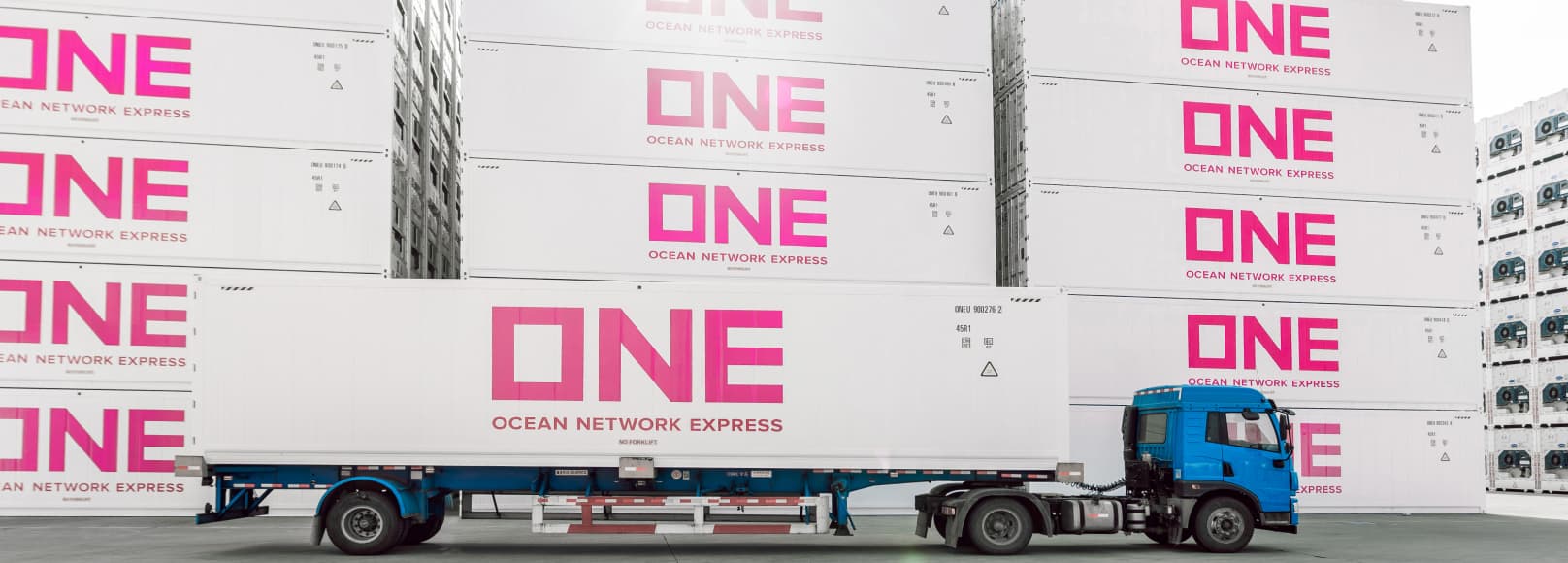
Shipping avocados across long ocean routes requires an experienced shipping partner with precise temperature and atmospheric control throughout the voyage. While standard refrigeration helps maintain optimal temperature conditions, advanced Controlled Atmosphere (CA) reefer containers regulate oxygen and carbon dioxide levels to slow ripening and preserve freshness. With our CONTAINER+ dashboard, you can access near real-time monitoring and download shipment data to support tracking, analysis and reporting. As Your Number ONE Shipping Partner, we deliver the expertise, technology, and reliability you need to navigate shipping challenges, protect product quality, and grow your business with confidence.
Data Sources
Insights and data presented in this article are based on information from leading global organizations, including S&P Global Market Intelligence, Food and Agriculture Organization of the United Nations, CBI, Hass Avocado Board and other publicly available sources.
Subscribe
Receive the latest updates from ONE
Manage SubscriptionDownload ONE Mobile App
Access ONE anytime, anywhere

Follow ONE on social media