
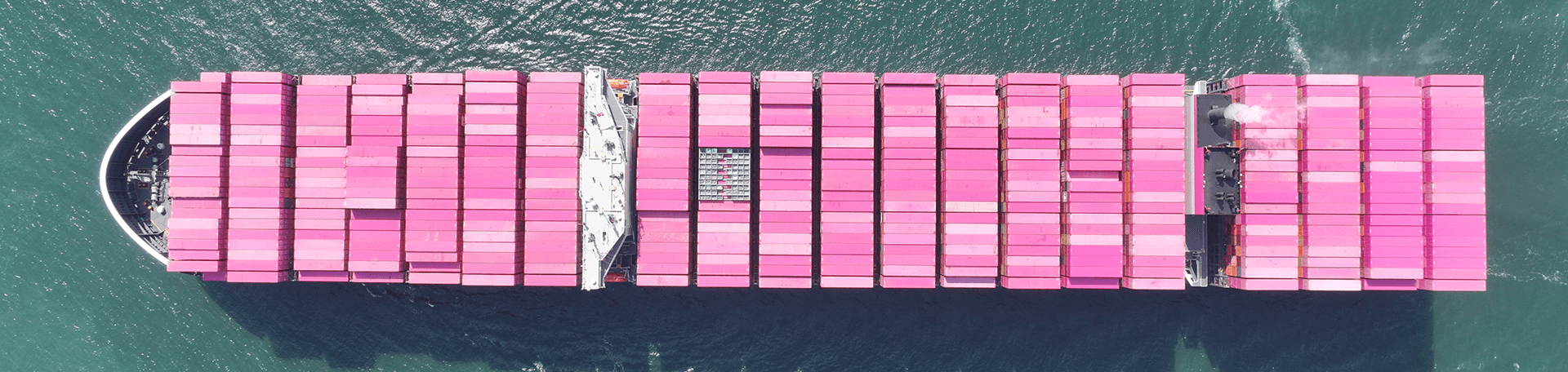
As we seek to enhance efficiency across our operations and fleet, we regularly monitor our fleet performance and assess them against internationally recognised standards. Our vessel monitoring system IBIS+ collates data, measuring performance through key indicators including the Carbon Intensity Indicator (CII) and the Energy Efficiency Existing Ship Index (EEXI), aligned with IMO regulations.
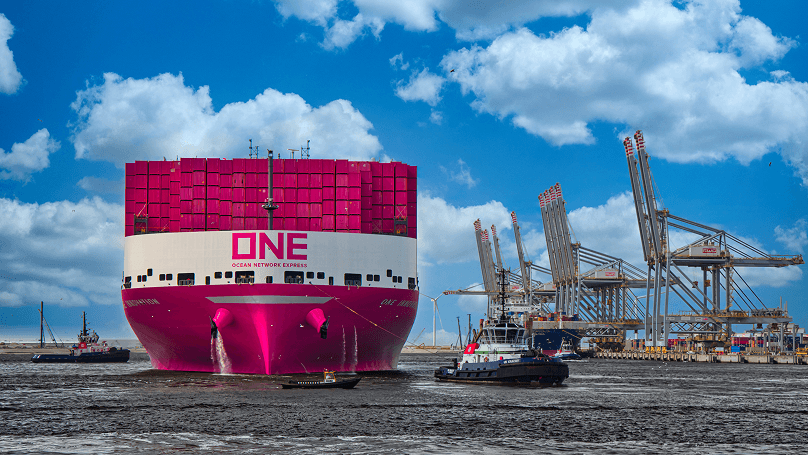
Operational Efficiency
Ocean Network Express aims to deliver goods safely, timely while prioritising environmental protection and energy conservation. In order to achieve this mission, ONE place great emphasis in reducing our greenhouse gas (GHG) emissions and we have been making progress since our establishment in 2018.
To work towards our targets, we have implemented initiatives aimed at improving our operational and fleet fuel efficiency to reduce energy consumption and CO2 emissions.
Since 2020, we have been introducing measure to improve our fleet fuel efficiency. These include modification of bulbous bow to reduce wave resistance, replacement with high efficiency propellers and attachment of special propeller boss cap. These measures are expected to reduce up to 10% of emission from fuel use per vessel. We will continue to implement these modifications progressively across our fleet. Other measures taken to improve efficiency in our service are as follows:
Operational and Fuel Efficiency Initiatives: Strategies for Optimizations
Operational
Strategic scheduling and shorter port stay times to increase voyage efficiency through prioritizing vessel line up, data driven service land schedule integrity
Optimum routing using AI-driven weather impact analysis by the Global Ocean Routing Advisory (GORA) team.
Use of shore electric power where facilities are available
Efficient Stowage Operations to achieve cargo maximization of vessels
Optimization of Auxiliary Machinery Operations including boilers and pumps
Fleet Optimization
Maintenance of hulls and propellers to reduce friction caused by fouling
Vessel hull Modifications (Bulbous Bow, Propeller, Bow windshield) to improve propulsion efficiency and fuel consumption
Vessel machinery Modifications (M/E modification, Aux. Machinery modification such as inverter) to improve propulsion efficiency and fuel consumption.
Blasting arrangement with proper timing and Low Friction Antifouling paint selection
Other technical modifications and maintenance to optimize fleet performance (e.g. VentoFoil, Air Lubrication System)
Use of in-house fleet performance monitoring system to understand the impact of our efficiency measures and seek continuous improvement
Subscribe
Receive the latest updates from ONE
Manage SubscriptionDownload ONE Mobile App
Access ONE anytime, anywhere

Follow ONE on social media