E-Commerce Regulatory Evolution: Adapting to Global Trade Shifts with ONE

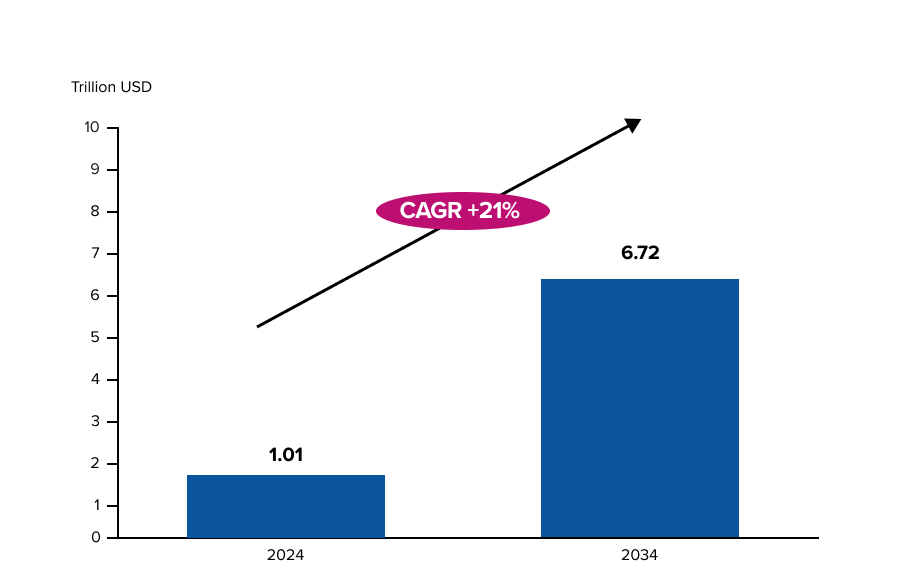
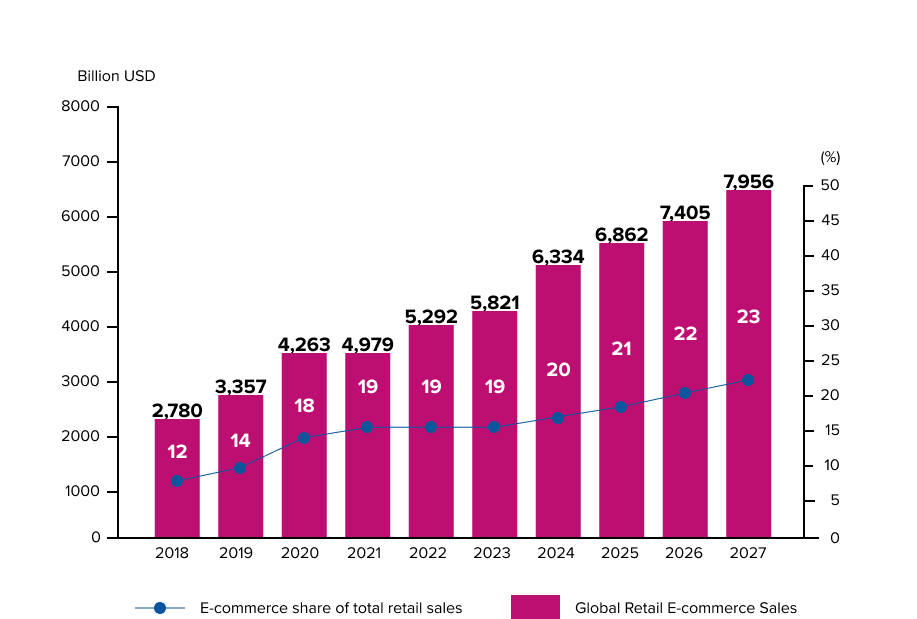
The era of tax-free cross-border e-commerce is drawing to a close as governments worldwide tighten "de minimis" thresholds. In 2025, the United States introduced measures aimed at tightening the use of de minimis exemptions, bringing greater scrutiny to high-volume, low-value shipments across the EU and several Asian markets. While global retail e-commerce continues its steady climb toward a projected US$6.72 trillion by 2034, the engines of this growth—tax exemptions for low-value imports—are being removed to protect domestic industries and ensure product safety. For businesses navigating these unprecedented regulatory headwinds, the transition from "special exemptions" to "standardized global trade" is no longer optional. This article explores why the end of the de minimis era requires a fundamental rethink of supply chains, urging a strategic pivot toward optimized, large-scale logistics to preserve market share and profitability in an increasingly regulated landscape.
Why is the historic "tax-free engine" for e-commerce being removed?
For years, de minimis rules served as a powerful tailwind for global e-commerce, allowing low-value goods to cross borders with minimal customs friction and zero duty. However, as cross-border e-commerce has grown substantially in scale, regulators in several major markets have begun reassessing frameworks that were originally designed for a much smaller volume of shipments.
The pressures driving this reassessment are varied. Tax authorities have noted a measurable impact on duty revenues as the volume of low-value parcels has grown. Domestic retailers have raised questions about competitive parity under existing rules and regulators have sought to bring cross-border e-commerce into alignment with broader consumer protection and compliance standards. Together, these factors have prompted a gradual shift toward greater regulatory consistency - though the pace and scope of change continues to vary considerably by market. As these exemptions vanish, the "tax-free era" is being replaced by a landscape where regulatory compliance is the new baseline for market entry.
Source: METI (Japan)
How are regulatory changes reshaping major global markets?
The shift toward strict enforcement is not a localized trend; it is a global tightening of regulatory oversight on traditional low-cost e-commerce models. In 2025, the United States undertook a significant overhaul of its de minimis framework, tightening duty-free thresholds and bringing a broad range of cross-border shipments into the formal scope of standard customs and taxation. For many operators, the practical effect has been considerable: costs, longer clearance timelines, and increased administrative burden. These changes reflect a wider policy shift toward greater regulatory oversight of cross-border e-commerce, and businesses that built their models around duty-free access are having to reassess their logistics and pricing structures fundamentally.
Parallel to this, the European Union has largely moved beyond taxation to focus on platform oversight. By designating major e-commerce players as 'Very Large Online Platforms' (VLOPs) under the Digital Services Act (DSA), the EU has introduced compliance obligations covering anti-counterfeiting and consumer protection. Similar regulatory developments in Brazil and Thailand further confirm that the global community is moving toward greater consistency in cross-border trade standards. For e-commerce businesses across the board, this shifting landscape means that the competitive advantage of the future is not in duty exemptions, but in the ability to navigate complex international trade requirements efficiently and at scale - regardless of where goods originate or where they are destined.
Source: JETRO
Can a strategic "Transportation Mode Shift" restore your competitive edge?
As the tailwind of de minimis exemptions ceases, companies can reconsider their current logistical approach of sending individual orders through frequent air shipments due to escalating tariffs and increasingly complicated customs processes that erode narrow profit margins. Diversifying supply chains to rely more on conventional and competitive liner shipping could be one of the strategies companies choose moving forward. This strategic mode shift may allow businesses to prioritize stability and cost efficiency over tax-free advantages.
Navigating the Future of Global Trade with ONE
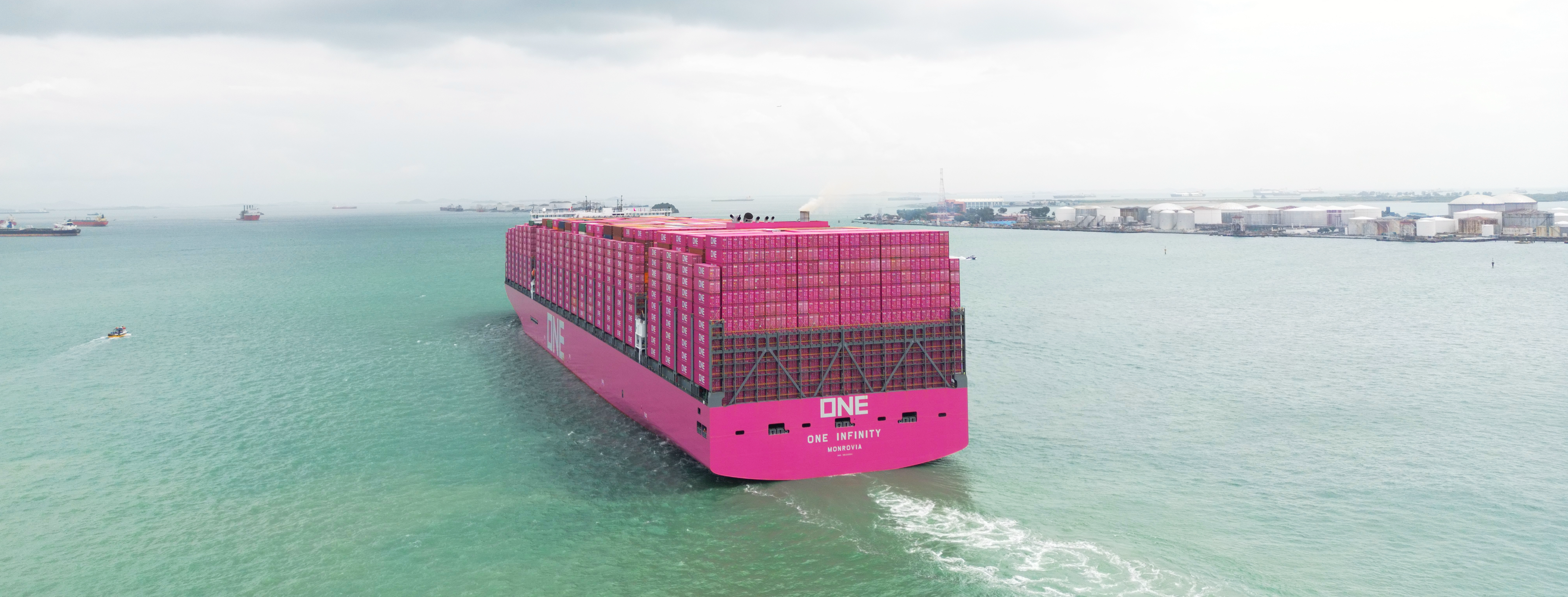
The transition from tax-exempt exceptions to a standardized regulatory environment requires more than just a change in shipping routes; it requires a partner with deep expertise in global trade flows and container shipping. As the "tax-free era" comes to a close, Ocean Network Express (ONE) is well positioned to help you navigate this new complexity.
Our global network and specialized e-commerce solutions are designed to transform regulatory challenges into competitive advantages. As Your Number ONE Shipping Partner, we ensure your business remains resilient, compliant, and cost-effective by optimizing your supply chain for the shift to standardized trade.